UK Opens Doors to Overseas Talent as US Tightens Visa Rules

UK global talent visa

Reeves Promises Easier Access for Global Workers

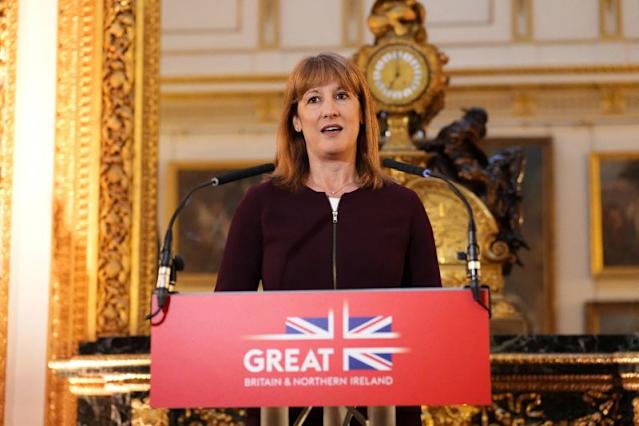
The UK is preparing to make it easier for overseas professionals to move and work in Britain. Chancellor Rachel Reeves highlighted this approach during the opening of fintech giant Revolut’s new headquarters in Canary Wharf. She contrasted the UK’s strategy with recent US policy changes that have made it harder to hire foreign talent.

On Friday, US President Donald Trump announced a dramatic increase in the cost of skilled-worker permits, raising the fee to $100,000 (£74,000). This decision confused US tech companies and international employees, many of whom rushed back to the United States to secure their status.

Reeves stated:

“While President Trump announced that it will be harder to bring talent to the US, we want to make it easier to bring talent to the UK.”

Doubling High-Skilled Worker Visas

According to reports, the UK government plans to double the number of high-skilled foreign worker visas from 9,000 to around 18,000 annually. This policy shift is intended to attract top talent at a time when tech-driven economies are competing fiercely for skilled professionals.

The announcement also followed the signing of a £150 billion tech deal with the US during Trump’s second state visit.

Revolut: A Case Study for UK Ambitions

Reeves made her comments at Revolut’s new £3 billion global HQ. The fintech firm, founded in 2015 by Russian-born entrepreneur Nik Storonsky, has grown rapidly to 65 million users in 40 countries. Despite its valuation of $75 billion, Revolut still awaits a full UK banking license, facing regulatory hurdles and criticism over fraud issues.

Reeves stressed that the UK government wants to reduce red tape and encourage high-growth firms to expand in Britain.

US Visa Chaos and Industry Concerns

The US H-1B visa system, once praised for helping tech giants like Google, Apple and Microsoft recruit global experts, now faces an uncertain future. Tech leaders such as Elon Musk, Sundar Pichai and Satya Nadella were once H-1B holders. The new US rules sparked panic, though the White House later clarified that the high fees applied only to new applicants.

In contrast, Reeves said the UK will expand “Global Talent” and “High Potential Individual” visa routes, aiming to position London as one of the most open and attractive financial hubs in the world.

Frequently Asked Questions (FAQ)

1. What changes did President Trump make to the US visa system?

He announced a steep rise in the cost of skilled-worker permits (H-1B visas), increasing fees to $100,000 for new applicants.

2. How is the UK responding differently from the US?

The UK plans to double high-skilled worker visas to around 18,000 annually and simplify access for overseas professionals.

3. What is the significance of Revolut in this announcement?

Revolut, a fast-growing fintech company with 65 million customers, is seen as a test case for the UK’s approach to attracting international firms and talent.

4. Why is the H-1B visa important?

It allows US companies to hire highly skilled foreign workers, especially in the tech industry. Many global tech leaders once relied on this visa.

5. Will the UK’s new visa policy attract more global talent?

Yes, the UK aims to become a hub for global professionals by offering easier visa access, reduced barriers and supportive regulations.

The Best Countries for Expats in 2025

Best countries for expats 2025

Living abroad is no longer just an adventurous choice – for many, it’s a lifestyle decision. Millions of people leave their home countries each year in search of better career opportunities, affordable living, healthcare, safety and cultural experiences.

According to the World Migration Report, around 3.6% of the world’s population now lives outside their country of origin. This number is expected to keep growing as more people embrace remote work, global mobility and cross-cultural living.

In 2025, research shows that financial stability plays a bigger role than ever in shaping expat happiness. A recent Internations survey of over 10,000 expats across 172 nationalities revealed that countries offering a balance of affordability, friendliness and quality of life are ranked as the most desirable.

Here’s a closer look at the top 5 countries for expats in 2025 – why they stand out, what challenges they bring and tips for new arrivals.

1. Panama – A Paradise for Digital Nomads and Retirees

Panama topped the rankings, finishing 1st out of 46 countries overall. It scored exceptionally well across multiple indexes:

  • Working Abroad (1st) – opportunities for freelancers and professionals
  • Ease of Settling In (2nd) – friendly locals and welcoming environment
  • Expat Essentials (2nd) – good internet, housing options and digital life
  • Quality of Life (3rd) – stunning natural beauty and outdoor lifestyle
  • Personal Finance (3rd) – affordable living compared to many Western countries

Why expats love Panama:

  • Rich biodiversity with jungles, beaches and wildlife
  • Affordable healthcare and retirement options
  • Popular with digital nomads who value remote work flexibility

Challenges: Bureaucracy can be frustrating, so expats are advised to hire professionals (lawyers, consultants) to manage paperwork like visas or vehicle registration. Deforestation is also a growing concern and newcomers are urged to respect the local ecosystem.

Don’t miss: Cerro Hoyas National Park – a hidden treasure with waterfalls, rare birds and untouched forests.

Panama attracts expats who value its natural beauty and outdoor lifestyle (Credit: Alamy)

2. Colombia – Warm Culture and Affordable Lifestyle

Colombia ranked 2nd overall with excellent results in:

  • Personal Finance (2nd) – expats report strong satisfaction with their money situation
  • Ease of Settling In (3rd) – Colombians are known for being warm and welcoming

Why expats love Colombia:

  • Lower cost of living compared to North America and Europe
  • A strong sense of community and belonging
  • Vibrant culture with music, festivals and food

Lifestyle highlights:

  • Expats describe Colombians as some of the friendliest people in the world
  • Opportunities for business and social development are growing fast
  • Beautiful destinations like Barichara (a colonial village), the coffee region and horse riding in Los Llanos

Challenges: Like many countries, safety can vary depending on the region, so it’s important to stay informed and integrate with local communities.

Barichara in Colombia’s north-east is famed for its cobbled streets and colonial architecture, including centuries-old churches (Credit: Alamy)

3. Mexico – Friendly, Affordable and Culturally Rich

Mexico came in at 3rd place, especially praised for:

  • Friendliness – expats feel more welcome here than in most countries
  • Ease of Making Friends – social connections happen quickly

Why expats love Mexico:

  • Affordable cost of living (often cheaper than the US and Canada)
  • Excellent healthcare at a fraction of the cost
  • Rich food culture, historic sites and beautiful coastlines
  • Strong internet infrastructure supports digital nomads

Things to know:

  • Tap water is not safe to drink in most areas
  • Learning Spanish is key to deeper integration
  • Time perception is relaxed – “mañana” may not literally mean tomorrow

Don’t miss: Chichen Itza’s Mayan ruins, Yucatan cenotes, and Cabo San Lucas for whale watching.

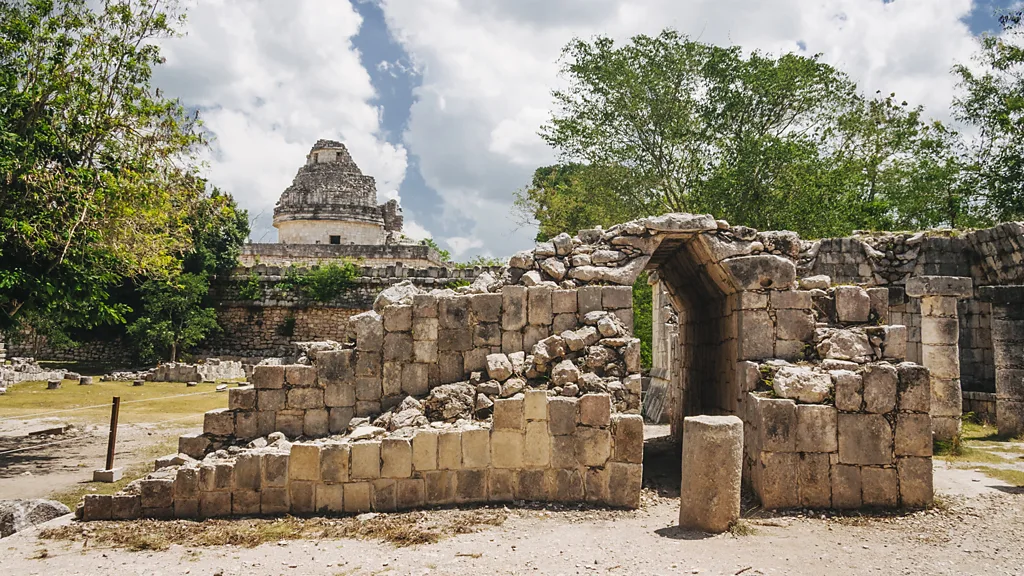
The Mayan observatory at Chichen Itza highlights Mexico’s rich cultural heritage, one of the draws for travellers (Credit: Getty Images)

4. Thailand – Balance of Happiness and Affordability

Thailand ranked 4th overall, standing out in:

  • Overall Happiness (2nd)
  • Personal Finance (3rd)
  • Ease of Settling In (Top 10)

Why expats love Thailand:

  • Welcoming culture with supportive expat communities
  • Affordable housing, food and healthcare
  • Beautiful islands, beaches and vibrant cities
  • Strong infrastructure in major cities (hospitals, schools, airports)

Cultural insights:

  • Thai culture values politeness, hierarchy and “saving face”
  • Foreigners usually earn higher salaries than locals, which can create social differences
  • Respect for Thai traditions and laws is essential

Don’t miss: Sailing through Phang Nga Bay, trekking in Khao Sok National Park and experiencing local festivals like the Phuket Vegetarian Festival.

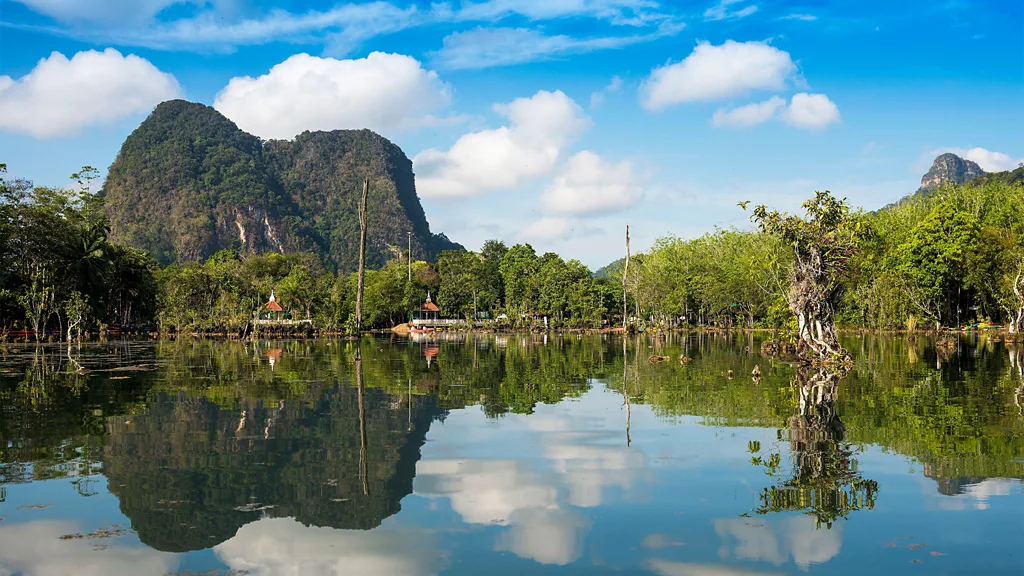
Phang Nga Bay’s lagoons and limestone cliffs make it a favourite for sailing adventures (Credit: Alamy)

5. Vietnam – Affordable and Fast-Growing

Vietnam ranked in the top five, placing 1st in Personal Finance and 8th in Happiness.

Why expats love Vietnam:

  • A rapidly growing economy creates a dynamic lifestyle
  • Very affordable cost of living compared to Western countries
  • Fresh and healthy cuisine (famous for pho, bánh cuốn and Vietnamese coffee)
  • Warm and helpful local people

Lifestyle highlights:

  • Great locations like Phu Quoc (island paradise) and Da Nang (city with beaches and modern facilities)
  • Popular among young professionals and digital workers
  • Different climates across north, central, and south – allowing expats to choose based on preference

Tips for new expats:

  • Learn basic Vietnamese phrases (like xin chào = hello, cảm ơn = thank you)
  • Always check the weather when traveling between regions
  • Be ready for busy traffic and fast-paced city life
Best countries for expats 2025
Da Nang’s Golden Bridge reflects the mix of tradition and modernity that makes Vietnam so appealing (Credit: Alamy)

Final Thoughts – Choosing the Right Expat Destination

The top expat destinations of 2025 prove that happiness abroad is about more than just income. The best countries offer a mix of affordability, opportunities, friendliness and culture.

  1. Panama – Best for retirees and remote workers who love nature
  2. Colombia – Ideal for community-driven people who value warmth and affordability
  3. Mexico – Perfect for those seeking culture, food, and a friendly atmosphere
  4. Thailand – Great for happiness, lifestyle balance, and supportive expat communities
  5. Vietnam – Affordable, dynamic, and full of opportunity for growth

If you are planning to move abroad in 2025, these five countries are leading the way in creating positive expat experiences.

Frequently Asked Questions (FAQ)

1. Which country is best for expats in 2025?

According to Internations’ 2025 survey, Panama is ranked as the best country for expats, followed by Colombia, Mexico, Thailand and Vietnam.

2. What is the cheapest country for expats to live in 2025?

Vietnam is considered one of the cheapest countries for expats, offering low living costs, affordable housing and great food at budget-friendly prices.

3. Which country has the happiest expats?

Thailand ranks very high for expat happiness thanks to its welcoming culture, beautiful landscapes and affordable lifestyle.

4. Is Mexico a good country for expats?

Yes. Mexico is among the top three expat destinations in 2025. Expats love its friendly people, food, healthcare and affordability.

5. Where can I move abroad with low income?

Countries like Vietnam, Colombia, and Mexico are great options for expats on a budget, offering affordable living costs and a good quality of life.

6. Which country is safest for expats in 2025?

While safety can vary by city, Spain, Portugal and Thailand are often mentioned among the safest expat-friendly countries.

7. Do I need to learn a new language to live abroad?

Not always. In popular expat countries like Panama, Mexico and Thailand, English is spoken widely in big cities, but learning the local language helps with integration.

8. Which country is best for digital nomads in 2025?

Panama, Thailand and Vietnam are very popular among digital nomads because of strong internet, affordable lifestyle and supportive expat communities.

9. What is the best country to move to from the USA in 2025?

Expats from the USA often choose Mexico, Panama and Colombia because of proximity, affordability and cultural connections.

Ennedi Massif: Africa’s Hidden and Ancient Wonder

Ennedi Massif

The Ennedi Massif is a huge rocky area in north-east Chad, Africa. It is full of tall stone towers, cliffs, arches and unusual rock shapes. Over millions of years, wind, rain and time have carved the rocks into amazing formations. The rocks are colored like honey and create a magical desert landscape.

But Ennedi is not just about rocks. Ancient people painted and carved pictures on the cliffs. These paintings and carvings show animals, people, dances and daily life from thousands of years ago. This makes Ennedi one of the largest collections of prehistoric rock art in the world.

Reaching Ennedi: A Tough Journey

Ennedi is very remote and hard to reach. It is about 1,000 km from Chad’s capital city, N’Djamena. To get there, you need to travel four days by car across the Sahara Desert. Roads are rough and there are few villages along the way.

Chad has also had years of war and political problems, so very few scientists or tourists have visited. Some experts say that about 75% of Ennedi is still unexplored, which is why some call it “less explored than the Moon”.

Ancient Rock Art

Inside the caves and on cliffs, there are thousands of paintings and carvings. Many date back to 6,000 BCE. They show:

  • People riding camels
  • Warriors with shields
  • Hunters chasing animals
  • Dancers with tall headdresses and jewelry
  • Wild animals like elephants, giraffes, rhinos, ostriches and cows

These pictures tell an amazing story. Long ago, the Sahara was green and full of lakes, rivers and animals. People lived there and hunted, farmed and celebrated. Over thousands of years, the land dried up and many animals left or disappeared. But Ennedi still has green valleys, springs and small rivers, making it unique in the desert.

A Living Landscape

Even today, Ennedi is full of life. Water from springs allows plants to grow and animals to survive. Some animals are nocturnal, meaning they are active at night. You can find:

  • Dorcas gazelles are hopping across the sand
  • Fennec foxes with big ears
  • Rock hyrax sunbathing on rocks
  • Beetles and small desert animals

African Parks, a conservation group, is working to bring back animals that disappeared, like red-necked ostriches, addax and scimitar-horned oryx.

Nomadic people also live here. They travel with camels and build houses from palm mats. Women, children and men all help with daily life. Some use the caves to store food and water, keeping traditions alive for thousands of years.

UNESCO and Protection

In 2016, Ennedi was declared a UNESCO World Heritage Site. Later, it became a Natural and Cultural Reserve, protected by African Parks.

Scientists have started a long-term study. They are mapping all the rock art and searching for ancient tools, pottery and fossils. In the nearby area, a 7-million-year-old skull called Toumaï was discovered. It is one of the oldest human fossils ever found. This shows that Ennedi and its surroundings have been important for humans for millions of years.

Life in Ennedi Today

Travelers visiting Ennedi see a land that feels like another world. There are no roads, buildings or cities. They walk or ride camels for days through desert valleys and rocky cliffs.

Villages are small and isolated. People live in harmony with nature and still follow ancient ways. Children learn about the rock art and their history. Teachers show them that some dances, clothes and tools in the paintings are similar to what people use today.

The Importance of Ennedi

Ennedi is sometimes called the “Eden of the Sahara”. It shows how humans and nature lived together thousands of years ago. The rock art helps people understand culture, history and identity.

Visitors feel amazed by Ennedi. They describe it as peaceful, magical, and timeless. It is a reminder of how strong and creative humans have been, even in harsh desert conditions.

Archaeologists believe that as more studies continue, Ennedi will reveal even more secrets about the Sahara and ancient life.

Trump’s $100,000 H-1B Visa Shock: Why the US May Lose More Than India

H-1B visa fee

The H-1B visa has always been a dream path for many skilled workers, especially Indians, to work in the US.

But in September 2025, US President Donald Trump shocked everyone. He announced a huge increase in H-1B visa fees, from normal rates to $100,000 for each new visa.

This news created fear in Silicon Valley, US universities, hospitals and among Indian families. Later, the White House said it would only affect new applications and would be a one-time fee. But still, the long-term effects could change both the US and India.

What is the H-1B Visa?

  • It is a visa that allows US companies to hire foreign skilled workers.
  • Jobs include IT, engineering, medicine and research.
  • Every year, about 85,000 H-1B visas are given.
  • Around 70% go to Indians.
  • China comes second with about 12%.

Trump’s $100,000 H-1B Fee Explained

  • Announced on September 19, 2025.
  • Fee applies only to new applicants (not renewals).
  • It is a one-time payment, but very expensive.
  • The average salary of a new H-1B worker in 2023 was $94,000. That means many worker cannot even cover the visa cost in their first year.

Immediate Reaction: Panic Everywhere

After the announcement:

  • US tech companies told staff not to travel abroad.
  • Immigration lawyers were busy explaining the rules.
  • Workers rushed to fix papers and flights.

India’s Dependence on H-1B

India is the largest user of H-1B visas.

  • 70% of all H-1Bs go to Indians.
  • In tech, the share is over 80%.
  • In 2023, more than 8,200 Indian doctors got H-1B visas.

For many Indian families, H-1B is more than a visa. It is a way to change life and reach the middle class.

Why the US May Lose More

1. Shortage of Skilled Workers

  • US tech companies may face a worker shortage.
  • Indian doctors make up 5–6% of US doctors. Without them, shortages will grow.
  • Universities may lose many Indian students (25% of all international students).

2. Higher Costs for Companies

Indian IT firms like TCS, Infosys and Wipro will pass the visa cost to US clients. That means projects in the US will be more expensive.

3. More Offshore Work

Companies may stop bringing workers to the US and instead move jobs to India or hire remote workers.

4. Innovation at Risk

Many big US companies have Indian-origin leaders—

  • Sundar Pichai (Google)
  • Satya Nadella (Microsoft)

If new talent workers cannot come, the US may lose its global edge in innovation.

Impact on Indian Students

  • Indian students already spend $50,000–$100,000 a year on studies in the US.
  • Many hoped for an H-1B visa after graduation.
  • With the $100,000 fee, this path looks impossible.
  • Students may choose Canada, the UK, or Australia instead, where immigration rules are easier.

Legal Challenges

Experts say Trump’s new rule may face legal fights. Questions remain:

  • Will big companies like Google or Amazon get exemptions?
  • Is the fee fair under US law?
  • Will courts block the rule?

Economic Stakes: $86 Billion Risk

H-1B workers and their families add a lot to the US economy every year:

  • $86 billion in total economic impact.
  • $24 billion in federal taxes.
  • $11 billion in state and local taxes.

Stopping new H-1Bs could reduce this huge contribution.

Expert Opinions

  • Gil Guerra (Niskanen Center): The fee will cause worker shortages in the long run.
  • David Bier (Cato Institute): This will hurt US innovation and competitiveness.
  • Sudhanshu Kaushik (NAAIS): Indian students now feel attacked and may go to other countries.

Frequently Asked Questions (FAQs)

1. What is the new H-1B visa fee?


The fee is now $100,000 for new applications. This is much higher than before and makes it very hard for fresh workers and students to apply.

2. Does it affect current visa holders?


No. People who already have an H-1B or are renewing do not need to pay the new fee. It only applies to new applicants.

3. Who will be most affected?


Mainly Indian IT workers, doctors and students. India gets 70% of H-1Bs, so most of the burden will fall on them.

4. Can companies avoid the fee?


Big firms like Google or Amazon may try for exemptions. But smaller companies will likely have to pay the full cost.

5. Which countries may benefit?


Canada, the UK and Australia will gain, as more skilled Indians may choose these countries instead of the US.

No Time for Exercise? Try the 1-Minute Workout That Actually Works

1 minute workout

In today’s fast-paced world, finding time for regular exercise often feels impossible. Between work, commuting, family responsibilities and endless to-do lists, many people push fitness to the bottom of their priorities. The traditional idea of needing an hour at the gym or even a 30-minute workout sounds overwhelming when you’re already running on a tight schedule.

However, here’s the good news: Science suggests you may not need long workouts at all. Research suggests that just one minute of high-intensity exercise, performed a few times per day, can deliver powerful health benefits. Yes, you read that right—one minute!

This fitness approach is often called the “1-minute workout” or “exercise snacks.” And it could be the game-changer busy people have been waiting for.

What Is the 1-Minute Workout?

The concept of the 1-minute workout was popularized by research led by Professor Martin Gibala, a kinesiology expert at McMaster University in Ontario. His studies, published in journals like the European Journal of Applied Physiology, demonstrated that short bursts of 20-second high-intensity effort, performed three times a day, can significantly improve health.

Instead of spending hours in the gym, participants performed “sprint snacks”—short, intense exercises like cycling or bodyweight moves—spaced throughout the day.

Within just six weeks, the results were surprising:

  • Cardiorespiratory fitness (CRF) improved by 9%, nearly matching the 13% boost seen in a group that did 10-minute daily workouts.
  • Metabolism increased by 43%, helping the body burn calories more efficiently.
  • Insulin sensitivity improved, reducing risk factors for type 2 diabetes.
  • Triglyceride levels dropped, lowering the risk of heart disease.

This proves that even if you don’t have time for long workouts, your body can still benefit from short, powerful movements.

Why Cardiorespiratory Fitness (CRF) Matters

You might be wondering—why does CRF matter so much?

CRF is a measure of how well your heart, lungs and muscles work together during physical activity.

Higher CRF levels are linked with:

  • Lower risk of cardiovascular disease
  • Better blood sugar control
  • Reduced the chance of obesity and metabolic syndrome
  • Improved mental health and stress management
  • Increased energy levels throughout the day

In fact, studies show that improving CRF is one of the most effective ways to extend life expectancy.

How the 1-Minute Workout Works

The principle is simple: short bursts of high intensity → recovery → repeat later.

  1. Duration: 20–60 seconds per “exercise snack.”
  2. Frequency: 2–3 times a day.
  3. Type of exercise: Any activity that raises your heart rate quickly.
  4. Rest period: Several hours between sessions.

These short workouts may improve heart pumping capacity, oxygen delivery and muscle efficiency—all while breaking up long periods of sitting.

Best 1-Minute Workout Ideas

Don’t have a stationary bike? No problem. You can do one-minute workouts anywhere, anytime. Here are some options:

With Equipment

  • Stationary Bike Sprints: Pedal as hard as possible for 20 seconds.
  • Jump Rope: Fast skipping for 30–60 seconds.
  • Rowing Machine Bursts: Full effort for 20–40 seconds.

Without Equipment

  • Jumping Jacks
  • Burpees
  • Mountain Climbers
  • Squat Jumps
  • High Knees
  • Lunges (fast-paced)

Beginner-Friendly Options

If you’re older, overweight, or just starting, try lower-impact exercises:

  • Marching in place quickly
  • Step-ups on a low platform
  • Wall push-ups
  • Seated rapid punches (great for desk workers)

The key: Push hard enough to get your heart rate up.

Benefits of the 1-Minute Workout

Here’s what science says you stand to gain:

  1. Time-Saving
    • Just a few minutes per day can replace longer gym sessions.
  2. Boosts Metabolism
    • Increases calorie burning, even hours after you stop exercising.
  3. Improves Heart Health
    • Strengthens the cardiovascular system and lowers blood pressure.
  4. Supports Weight Loss
    • High-intensity bursts improve fat burning.
  5. Better Blood Sugar Control
    • Helps regulate insulin levels, lowering diabetes risk.
  6. Breaks Sedentary Lifestyle
    • Interrupts long sitting periods, which are linked to poor health outcomes.
  7. Accessible Anywhere
    • No expensive gym membership required.

How to Add 1-Minute Workouts Into a Busy Day

Even the busiest professionals can make this work. Here’s how:

  • Morning Boost: Do 20 seconds of jumping jacks right after brushing your teeth.
  • Desk Breaks: Every 4–5 hours, get up and do a sprint snack.
  • Before Meals: Try 20 seconds of squats before lunch or dinner.
  • TV Time: Use commercial breaks for quick bursts of movement.
  • Before Bed: Light sprint snacks can improve sleep quality.

Tip: Set a reminder on your phone so you don’t forget.

Common Myths About Exercise and Time

1: You need at least an hour at the gym for results.
👉 Science shows even short bursts improve fitness.

2: Walking is enough if you’re busy.
👉 Walking helps, but higher intensity creates faster, stronger results.

3: Short workouts don’t burn fat.
👉 Interval training is one of the most effective fat-burning strategies.

Potential Limitations & Safety Tips

While the 1-minute workout is effective, keep these points in mind:

  • Warm-up first: Even for short workouts, avoid sudden strain.
  • Listen to your body: If you feel dizzy or unwell, stop immediately.
  • Medical conditions: People with heart disease or serious health issues should consult a doctor before starting.
  • Consistency matters: One session won’t transform your health; it’s about doing it regularly.

Expert Insights

Martin Gibala, in his book “The One-Minute Workout: Science Shows a Way to Get Fit That’s Smarter, Faster, Shorter,” emphasizes that the traditional “one-hour gym rule” is outdated. His research proves every bit of activity counts and intensity often matters more than duration.

Other fitness experts agree, noting that exercise snacks are especially helpful for office workers and those struggling with sedentary lifestyles

Final Thoughts

In a world where time is precious, the 1-minute workout proves that fitness doesn’t have to be complicated. Science has shown that even the busiest people can improve heart health, metabolism, and energy levels with just a few short bursts of activity each day.

So the next time you’re tempted to grab a snack at your desk, try a “sprint snack” instead. One minute could be the start of a healthier, stronger and more energized you.

Frequently Asked Questions (FAQs)

1. Can one minute of exercise really make a difference?


Yes. Studies show significant improvements in metabolism and CRF with just short, intense workouts.

2. How often should I do the 1-minute workout?


Aim for 2–3 times per day, ideally spaced out by a few hours.

3. Can beginners try it?


Absolutely. Start with lower-intensity moves and build up gradually.

4. Do I need special equipment for the gym?


No. Bodyweight exercises like squats, burpees, or high knees work just as well.

5. Will this replace regular workouts?


It’s a great option for busy days, but if you have more time, combine it with longer sessions for the best results.

Who Are the Top Contenders for the 2025 Men’s Ballon d’Or?

2025 Men’s Ballon d’Or

The world’s best male players will be crowned on Monday.

The winners of the Ballon d’Or awards for their performances last season will be announced at a ceremony at Theatre du Chatelet in Paris.

We have analysed how six of the key contenders for each prize performed last season, using statistics from 2024-25 – across all club competitions for the men.

1. Ousmane Dembele (Paris St-Germain)

Games played: 53 Minutes played: 3,483 Goals: 35 Assists: 14 

He registered a total of 49 goal contributions last season, averaging a goal every 99.5 minutes and a goal contribution every 71.1 minutes.

Ousmane Dembele played a key role in helping Paris St-Germain win Ligue 1, become European champions for the first time and reach the final of the Club World Cup.

He scored 21 goals from 29 games in Ligue 1 to end the campaign as joint-top scorer. He was also named in the division’s team of the season and won the player of the year award.

The 28-year-old was also the Champions League’s player of the season after eight goals and six assists in the tournament, including two assists in the 5-0 final win against Inter Milan.

Dembele then scored in the Club World Cup quarter-final and semi-final victories over Bayern Munich and Real Madrid respectively.

2. Harry Kane (Bayern Munich)

Harry Kane

Games played: 51 Minutes played: 3,955 Goals: 41 Assists: 12 

He registered a total of 53 goal contributions last season, averaging a goal every 96.5 minutes and a goal contribution every 74.6 minutes.

England’s record goalscorer claimed the first major trophy of his career when he inspired Bayern Munich to the Bundesliga title.

The 32-year-old netted 26 league goals to top the Bundesliga scoring charts, including three hat-tricks.

In September, he scored 10 goals in 11 days, starting with two for England against Finland in the Nations League on 10 September.

3. Kylian Mbappe (Real Madrid)

Kylian Mbappe

Games played: 59 Minutes played: 4,742 Goals: 44 Assists: 5 

He registered a total of 49 goal contributions last season, averaging a goal every 107.7 minutes and a goal contribution every 96.8 minutes.

The France forward ended his first season in Spain as the top goalscorer in La Liga, his tally of 31 goals being four better than Barcelona’s Robert Lewandowski.

Mbappe’s total came from 34 matches and included hat-tricks against Valladolid and Barcelona. He also scored a treble to eliminate Manchester City in the Champions League knockout play-off round.

The 26-year-old became only the third player to score 50 goals for France, a figure he reached in June when he helped his country finish third in the Nations League.

4. Raphinha (Barcelona)

Raphinha

Games played: 57 Minutes played: 4,661 Goals: 34 Assists: 22 

He registered a total of 56 goal contributions last season, averaging a goal every 137.1 minutes and a goal contribution every 83.2 minutes.

Raphinha helped Barcelona win three trophies in 2024-25 – La Liga, the Copa del Rey and the Supercopa de Espana.

His 18 goals and nine assists earned him La Liga’s player of the season award.

The 28-year-old Brazil forward, who moved to Barcelona from Leeds United in 2022, also ended as the joint-top scorer in the Champions League, finding the net 13 times in 14 games including a hat-trick in a 4-1 win over Bayern Munich.

5. Mohamed Salah (Liverpool)

Mohamed Salah

Games played: 52 Minutes played: 4,497 Goals: 34 Assists: 23

He registered a total of 57 goal contributions last season, averaging a goal every 132.3 minutes and a goal contribution every 78.9 minutes.

Mohamed Salah played a huge role in helping Liverpool become English champions for the 20th time.

His 29 goals and 18 assists gave him a total of 47 Premier League goal involvements, tying the record for the most in a 38-game season.

His goals tally also secured him the Golden Boot – the fourth time he has won it, a record shared with Arsenal legend Thierry Henry. The 33-year-old was also named the Premier League’s player of the year for a second time.

The Egypt forward scored three times in the Champions League before Liverpool lost to eventual winners Paris St-Germain in the last 16.

6. Lamine Yamal (Barcelona)

Lamine Yamal

Games played: 55 Minutes played: 4,548 Goals: 18 Assists: 21

He registered a total of 39 goal contributions last season, averaging a goal every 252.7 minutes and a goal contribution every 116.7 minutes.

The 18-year-old winger helped Barcelona to the Spanish treble of La Liga, the Copa del Rey and the Supercopa de Espana.

He won La Liga’s player of the month award in September and was in the La Liga and Champions League teams of the season.

He scored twice for Spain in their 5-4 win over France in the Nations League semi-final, although the side lost on penalties in the final to Portugal.

How Renewable Energy is Changing Our Future

How Renewable Energy is Changing Our Future

In today’s world, renewable energy is no longer just a trend, it is becoming the backbone of a sustainable future. With rising concerns about climate change, air pollution and the depletion of natural resources, countries across the globe are turning to renewable energy sources like solar power, wind energy, hydropower and geothermal energy. This transition is not only protecting our planet but also reshaping economies, creating jobs and ensuring a healthier future for generations to come.

Why Renewable Energy Matters

Renewable energy comes from natural sources that replenish themselves, such as the sun, wind and water. Unlike fossil fuels, these energy sources do not emit harmful greenhouse gases.

Key Benefits of Renewable Energy:

  • Reduces carbon emissions and helps fight climate change.
  • Provides clean air by reducing pollution.
  • Creates millions of green jobs worldwide.
  • Improves energy security by reducing dependence on imported fuels.
  • Becomes more affordable every year due to technological advancements.

Solar Power: Harnessing the Sun

Solar energy has become one of the fastest growing renewable power sources. With solar panels becoming cheaper and more efficient, even households can now produce their own electricity.

Advantages of Solar Energy:

  • Available in almost every part of the world.
  • Reduces electricity bills for families.
  • Can power entire cities when scaled up.

Countries like India, China and the U.S. are leading solar projects, making the dream of a solar-powered world a reality.

Wind Energy: Power in Motion

Wind energy is another game changer. Massive wind turbines capture the power of moving air and convert it into electricity. Offshore wind farms, built in oceans, are now supplying clean energy to millions of homes.

Why Wind Power is Important:

  • Produces electricity without pollution.
  • Cost effective in windy regions.
  • Provides clean power for both urban and rural communities.

Hydropower and Geothermal Energy

Hydropower, generated from flowing rivers and dams, remains one of the most reliable renewable sources. At the same time, geothermal energy heat from beneath the Earth’s surface is being tapped to power homes and industries, especially in countries like Iceland and Kenya.

Both sources play an important role in diversifying the renewable energy mix and ensuring a steady power supply.

Renewable Energy and the Global Economy

Switching to renewable energy is not just about protecting the environment it is also transforming economies.

Positive Impacts on the Economy:

  • Job Creation: Millions of jobs are being created in solar, wind, and energy storage industries.
  • Lower Energy Costs: Renewable power is becoming cheaper than coal in many regions.
  • Innovation Growth: New technologies like smart grids and battery storage are fueling economic development.

How Renewable Energy Fights Climate Change

Climate change is one of the biggest threats to our future. The burning of coal, oil and gas releases massive amounts of carbon dioxide, warming the planet.

By shifting to renewables, we can:

  • Cut global emissions drastically.
  • Slow down global warming.
  • Protect ecosystems and wildlife.
  • Ensure safer living conditions for people worldwide.

Countries Leading the Way

Several nations are setting an example for the world:

  • Denmark: Almost half of its electricity comes from wind.
  • Germany: Leading in solar and wind projects.
  • China & India: Investing billions in renewable energy infrastructure.
  • United States: Expanding large-scale solar and offshore wind projects.

These success stories show that a renewable future is achievable.

The Future of Renewable Energy

The next decade will be critical. Experts predict that by 2035, renewables could provide the majority of the world’s electricity. With continued investment, innovation and global cooperation, renewable energy will:

  • Replace fossil fuels.
  • Provide affordable power for all.
  • Build a cleaner, healthier and more sustainable planet.

Final Thoughts

Renewable energy is more than a solution it is a revolution. From solar panels on rooftops to giant offshore wind farms, clean energy is shaping a brighter future. It reduces pollution, creates jobs, powers innovation and gives us hope in the fight against climate change.
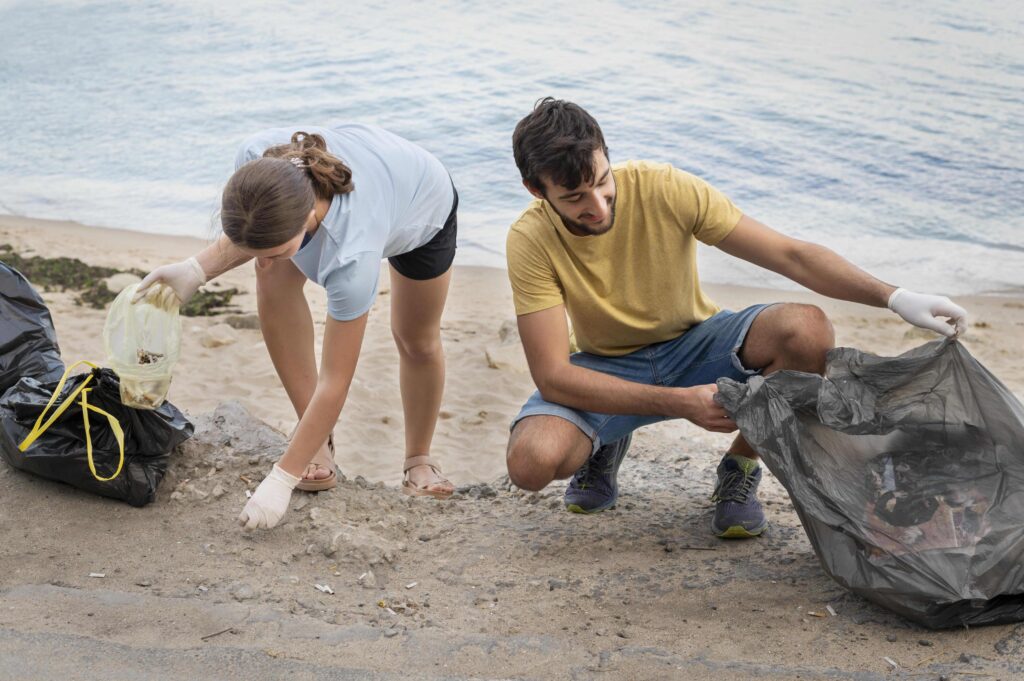
By supporting renewable energy policies, investing in clean technologies and making eco-friendly choices in daily life, each of us can be part of this transformation. The future of our planet truly depends on the choices we make today.

Frequently Asked Questions (FAQ)

1. What is renewable energy?

Renewable energy comes from natural sources like the sun, wind, water and Earth’s heat that naturally replenish themselves.

2. Why is renewable energy important for the future?

It reduces carbon emissions, fights climate change, creates jobs and ensures sustainable growth.

3. Which countries are leading in renewable energy?

Denmark, Germany, China, India and the U.S. are among the global leaders.

4. Is renewable energy affordable?

Yes. In many regions, renewable energy is now cheaper than fossil fuels.

5. How can individuals support renewable energy?

By using solar panels, saving energy, supporting clean energy policies and reducing reliance on fossil fuels.

6 Good News from Around the World That Give Us Hope

6 Good News from Around the World That Give Us Hope

In a world often filled with headlines about crises and challenges, it is easy to forget that positive change is happening every single day. Across the globe, people, communities and nations are working toward solutions that make life better. From climate action to healthcare, innovation and human kindness, good news stories remind us that progress is real and hope is alive.

Here are six positive stories from around the world that give us hope for the future:

1. Record Breaking Renewable Energy Growth

Clean Energy Surpasses Coal

The global shift toward clean energy is gaining incredible momentum. In 2025, renewable energy sources like wind and solar provided more power to the world than coal for the first time in history.

Why It Matters

  • Reduces greenhouse gas emissions
  • Creates millions of green jobs
  • Makes sustainable living more affordable

Countries such as India, China and the U.S. are investing heavily in green infrastructure, proving that a sustainable energy future is possible.

2. Major Advances in Cancer Treatment

Breakthrough in Personalized Medicine

Scientists have recently made groundbreaking progress in cancer therapy. New treatments are now showing success in shrinking tumors and extending survival rates for patients.

Positive Impact

  • Higher survival rates
  • Complete remission in some cases
  • Greater hope for families worldwide

These medical advances represent a future where cancer can be managed or even cured.

3. Ocean Cleanup Projects Scaling Up

Fighting Plastic Pollution

Plastic waste has long threatened marine life and ecosystems, but cleanup efforts are making a difference. Organizations like The Ocean Cleanup have removed thousands of tons of plastic from oceans and rivers this year.

The Results

  • Cleaner oceans and rivers
  • Healthier marine life
  • Stronger ecosystems

Governments are also introducing bans on single use plastics, accelerating the movement toward cleaner waters.

4. Global Poverty Rates Continue to Fall

Millions Lifted Out of Poverty

While challenges remain, global poverty has been steadily declining. The World Bank reports that millions of people have been lifted out of extreme poverty in the past decade.

What’s Driving Change

  • Access to education
  • Microfinance opportunities
  • Job creation programs

In Africa and Asia especially, communities are experiencing rising incomes, improved healthcare and better opportunities for children.

5. Wildlife Comebacks Around the Globe

Species on the Rise

Conservation efforts are paying off. Species once considered endangered are making remarkable recoveries.

  • Tiger populations in India are rising
  • Giant pandas in China are thriving
  • Humpback whales in the Pacific are making a comeback

Why It Matters

Protected areas, anti-poaching laws, and awareness campaigns are helping wildlife thrive again. These comebacks prove that humans can reverse the damage done to nature.

6. Acts of Human Kindness Spreading Hope

Everyday Heroes

Not all good news comes from large scale projects sometimes it’s about ordinary people making extraordinary differences.

Examples include:

  • Volunteers helping earthquake victims
  • Communities building homes for refugees
  • Social media campaigns inspiring global kindness

The Ripple Effect

Acts of compassion inspire others to contribute, spreading positivity across the world.

Why Good News Matters

Positive stories are more than feel good headlines they show us what is possible. They remind us that challenges can be overcome, that science and innovation are moving forward and that kindness continues to shine even in difficult times.

Final Thoughts

The world is far from perfect, but these six good news stories prove that hope is never lost. From cleaner oceans and greener energy to better healthcare and stronger communities, humanity is moving in the right direction.

When we focus on solutions and share positive stories, we create the motivation to keep building a better future together.

Frequently Asked Questions (FAQ)

1. Why is it important to highlight good news?

Good news stories balance negative headlines and show that progress is happening. They inspire hope, encourage positive action and remind us that solutions to global challenges are possible.

2. Which countries are leading in renewable energy?

China, India and the United States are currently among the top countries investing in renewable energy projects. Europe is also a leader, with Germany and Denmark making huge strides in wind and solar power.

3. How is ocean cleanup helping the planet?

Ocean cleanup removes harmful plastics and debris from waters, protecting marine life, restoring ecosystems and improving food safety for people who rely on seafood.

4. Is global poverty really decreasing?

Yes. While inequalities still exist, data from the World Bank shows that extreme poverty has been gradually declining, thanks to education, better healthcare and new economic opportunities.

5. What animals are making a comeback due to conservation?

Tigers in India, giant pandas in China and humpback whales in the Pacific are all recovering thanks to global conservation efforts, stricter laws and habitat protection.

6. How can individuals contribute to positive change?

People can help by reducing waste, supporting charities, volunteering, advocating for clean energy, protecting nature and spreading kindness in their communities.

6 Million Pounds of Compost Given to NYC Gardeners in 2025: How Organic Waste is Powering a Greener Future

6 Million Pounds of Compost Given to NYC Gardeners in 2025: How Organic Waste is Powering a Greener Future

A Milestone in Sustainable Living

In 2025, New York City achieved an extraordinary milestone in its ongoing effort to build a cleaner, greener future. More than 6 million pounds of compost were distributed to community gardeners, schools and local parks through the city’s organic waste collection program.
For many New Yorkers, this isn’t just fertilizer for their gardens. It represents proof that small, consistent actions like separating food scraps in the kitchen can collectively create a massive impact. Composting has become a symbol of sustainability, climate action and community collaboration.

This article explores the full story:

The origins of NYC’s compost program, how the process works, the environmental and economic benefits, community impacts, challenges and what the future holds for waste management in America’s largest city.

The Road to 6 Million Pounds of Compost

The journey to this milestone did not happen overnight. New York City has been working for decades to expand composting programs and reduce reliance on landfills.

1. Early Beginnings

Pilot composting programs began in the 1990s. Early initiatives focused on smaller community gardens and local schools. While these programs were limited in scale, they laid the foundation for a citywide commitment to organic waste recycling.

After 2013, large-scale initiatives began gaining momentum. The city started curbside food scrap collection in select neighborhoods, educating residents on how to separate organic materials from regular trash. This initial rollout helped build awareness and participation, proving that urban composting was both feasible and beneficial.

2. Scaling Up

By 2020, New York City launched a comprehensive citywide organics collection effort, gradually covering all five boroughs. The program encouraged households, restaurants, schools and businesses to participate. It also incorporated innovative solutions, such as partnerships with local non-profits, urban farms and technology providers to monitor and optimize the collection process.

3. 2025 Milestone

Now, with more than 6 million pounds of compost distributed in a single year, the program has demonstrated both its effectiveness and popularity. City officials estimate that over one-third of New York’s household trash is organic waste. By diverting this waste into composting, the city is cutting costs, reducing methane emissions, and supporting urban agriculture initiatives.

What Exactly is Compost?

At its core, compost is simply decomposed organic matter. Food scraps like fruit peels, coffee grounds, eggshells and yard waste such as leaves or grass clippings are broken down into a dark, soil-like material rich in nutrients.

Benefits of Compost

1. Rich in Nutrients : Compost improves soil health, providing plants with essential elements such as nitrogen, phosphorus and potassium.

2. Improves Soil Structure : Compost makes soil more porous, improving water retention, reducing erosion and supporting healthy root development.

3. Reduces Chemical Use : Gardeners and farmers who use compost often need fewer chemical fertilizers, making it a sustainable choice for both home gardens and commercial farms.

For New York City’s urban gardeners, access to free compost is a game-changer. Many community gardens operate on limited budgets and natural fertilizer allows them to grow healthier crops without relying on costly synthetic products.

How NYC’s Organic Waste Collection Works

The success of NYC’s compost program relies on participation from millions of residents, businesses and institutions. Here’s how the process functions:

1. Household Collection

Residents are encouraged to separate food scraps and yard waste from regular trash. Many neighborhoods now have curbside bins dedicated to organic waste, including compostable bags for kitchens. Restaurants and grocery stores also contribute food waste.

2. Processing

Trucks collect the organic material and transport it to specialized facilities, where it is shredded, mixed and left to decompose under controlled conditions. This ensures safe composting while preventing odors and pests.

3. Composting Facilities

Some of New York’s organic waste is sent to large-scale composting centers capable of processing thousands of tons per month, while other portions are processed locally at smaller community sites. This decentralized approach reduces transportation emissions and makes compost more readily available to neighborhoods.

4. Distribution

Once the compost is ready, it is distributed to residents, schools, community groups and urban farming projects. This circular system transforms waste into a valuable resource, keeps it out of landfills and returns nutrients back to the soil.

The Environmental Benefits

Composting has far-reaching environmental benefits beyond gardening.

1. Methane Reduction : Organic waste in landfills decomposes anaerobically, releasing methane, a greenhouse gas more than 25 times stronger than carbon dioxide. Composting prevents this by ensuring aerobic decomposition.

2. Lower Landfill Burden : Diverting food and yard waste from landfills reduces pressure on these overburdened sites, saving space and extending landfill lifespans.

3. Healthier Urban Ecosystems : Compost enriches soil, helping trees, plants and crops thrive. This contributes to greener neighborhoods, cleaner air, and improved biodiversity.

4. Climate Action : By reducing greenhouse gas emissions and improving soil health, composting contributes to broader climate change mitigation efforts. Officials estimate that the 2025 composting efforts alone prevented thousands of tons of carbon emissions.

Community Gardens: The Heart of the Program

Community gardens in New York City are symbols of resilience, hope and neighborhood collaboration. These green spaces provide food, education, and safe areas for recreation.

With free compost, gardeners can achieve:

  • Healthier Vegetables: Increased yields and nutrient-rich crops.
  • Beautiful Flowers: Vibrant, strong blooms that enhance public spaces.
  • Community Bonding: Shared gardening projects strengthen social ties and civic pride.

For instance, in East Harlem, a community garden reported that its tomato harvest doubled after switching to city-supplied compost. Teachers in Brooklyn schools have also integrated composting into hands-on sustainability lessons, teaching children the value of resource recycling.

Economic Value: Saving Money While Creating Resources

Beyond environmental and social benefits, composting delivers significant economic value.

1. Reduced Disposal Costs : Sending organic waste to landfills is costly. Composting diverts this waste and saves the city millions annually in disposal fees.

2. Lower Fertilizer Expenses : Gardeners and urban farms receive free, nutrient-rich compost, reducing reliance on commercial fertilizers.

3. Job Creation : Composting programs generate green jobs in collection, processing and educational outreach. A study by the Institute for Local Self-Reliance found that composting creates twice as many jobs per ton of waste compared to landfilling.

Challenges Ahead

Despite successes, NYC’s compost program faces challenges:

  • Participation Rates: Not all residents separate their food waste consistently.
  • Logistical Costs: Expanding curbside collection across all boroughs requires significant investment.
  • Contamination: Non-organic items like plastic bags or metal can contaminate compost, slowing processing.
  • Public Awareness: Some communities still lack information on proper composting practices.

City officials are actively addressing these challenges through public education campaigns, better bin designs, and collaborations with non-profits and local businesses.

Voices from the Community

“The compost program has completely changed the way our garden operates. We no longer rely on chemical fertilizers and our crops have never looked better.” – Maria Gonzalez, Brooklyn Community Gardener

“Teaching kids about composting shows them that their actions matter. They see food waste turn into something useful and it inspires them to think about sustainability in everyday life.” – James Carter, Public School Teacher in Queens

These testimonials demonstrate that composting is about more than waste management—it’s about building a culture of care, responsibility and community empowerment.

Composting and Climate Policy

NYC’s composting initiative aligns with broader sustainability policies:

  • OneNYC 2050 Plan: This long-term roadmap aims to reduce landfill waste by 90% by 2030.
  • Statewide Efforts: New York State requires large businesses to recycle food scraps under its Food Donation and Food Scraps Recycling law.
  • Global Context: Cities worldwide from San Francisco to Paris are adopting similar composting programs, positioning NYC as a leader in urban sustainability.

Looking Ahead: The Future of Composting in NYC

Following the success of distributing 6 million pounds of compost in 2025, NYC plans to:

  • Expand Participation: Encourage more residents, schools and businesses to separate organic waste.
  • Build New Facilities: Increase local composting hubs to reduce transportation costs and improve efficiency.
  • Integrate Technology: Smart bins, AI-driven logistics, and tracking tools will enhance collection and processing.
  • Empower Communities: Provide neighborhoods with direct access to compost, strengthening local food systems.

The ultimate goal is a zero-waste city, where every piece of trash is reused, recycled or repurposed.

Conclusion: Turning Waste into Hope

The milestone of 6 million pounds of compost in 2025 proves that collective action can create tangible results. By transforming food scraps into fertile soil, New York City reduces its environmental footprint, supports urban agriculture, and educates future generations about sustainability.

Composting may seem like a small step compared to global climate challenges, but as New Yorkers are showing, every banana peel, coffee ground and apple core diverted from the trash brings the city closer to a cleaner, healthier and more sustainable future.